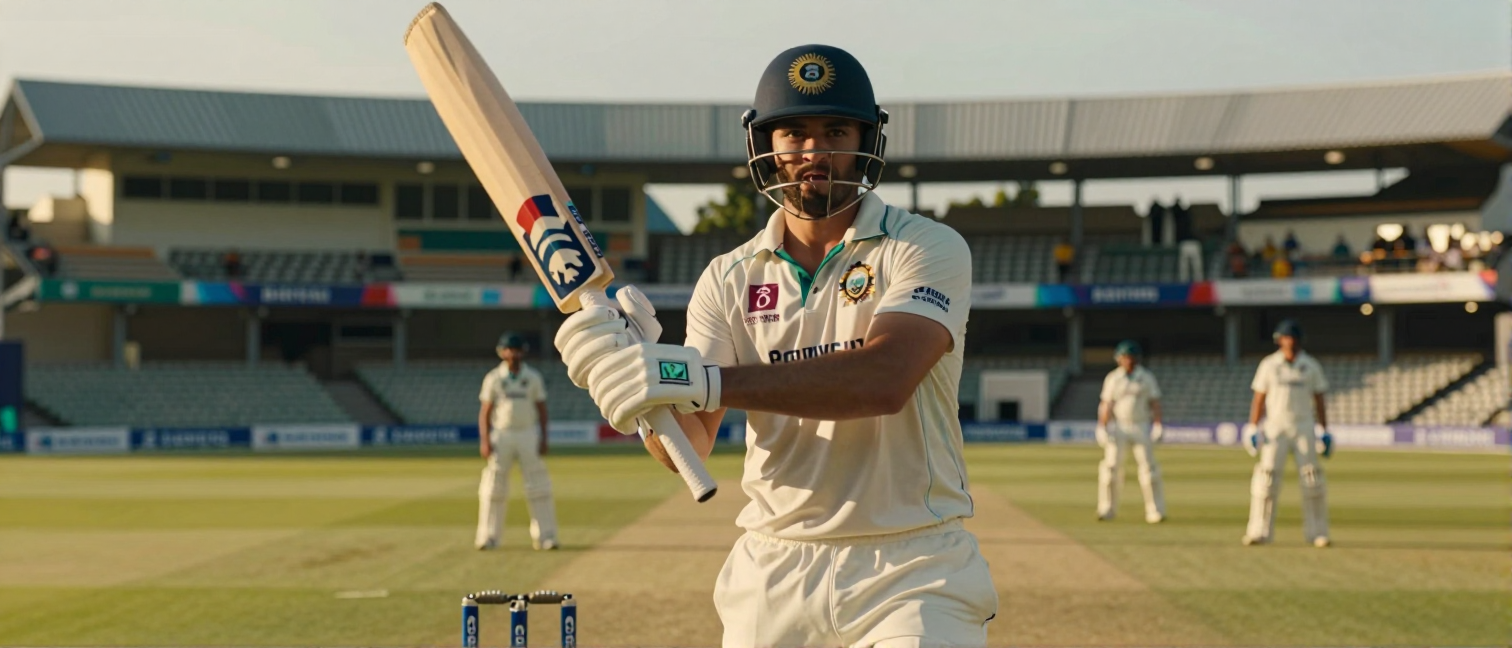
AB de Villiers warned on the Bombay Sports Exchange podcast that the growing appeal of T20 cricket could push teenage Indian talent Vaibhav Sooryavanshi to abandon Test ambitions, saying the choice is "quite obvious" for the youngster.
What did AB de Villiers say?
During the TOI Sports interview, de Villiers explained that T20’s shorter spells and flatter wickets make life easier for batters. He noted, "From a comfort perspective, it’s (T20) much easier. You’re facing short spells, there are only two fielders outside the circle during the Powerplay."
He added that Sooryavanshi, who debuted for India in the second T20I against England last week, might simply say, "Sorry, I’m not interested in Test cricket. I’m perfectly happy playing T20 cricket."
Why does this matter for the future of Test cricket?
De Villiers argued that administrators need to create a tougher decision for young players. "You can’t blame him. Those decisions are made at the top. It’s up to the administrators to find the right balance," he said.
He warned that if Sooryavanshi opts for the shorter format, the sport could lose a potential Test specialist at a time when the longer game is already under pressure.
How might Sooryavanshi’s career unfold?
The former South Africa captain stressed that the 15‑year‑old will face “difficult patches” and that his character will be tested. He emphasized the need for strong mentorship, saying, "I hope he has good leadership, guidance and mentorship around him."
De Villiers believes the teenage prodigy’s journey will be rocky, especially if he eventually decides to pursue Test cricket, a path that may demand more mental resilience.
What does this signal for other emerging players?
De Villiers’ comments echo a broader trend where young cricketers gravitate toward the lucrative, high‑profile T20 leagues. He suggested that the comfort and financial rewards of the format could sway many, potentially reshaping the talent pipeline for the longest form of the game.
And the conversation isn’t just about one player. It raises questions about how boards worldwide will balance the allure of T20 with the need to preserve Test cricket’s relevance.
What’s next for Vaibhav Sooryavanshi?
The Indian youngster’s next steps will likely involve a mix of domestic first‑class matches and continued T20 exposure. De Villiers urged that his decisions should be guided by seasoned mentors who can help him navigate the “alarm bells and pitfalls” ahead.
So, while the cricket world watches Sooryavanshi’s debut, de Villiers’ warning adds a layer of intrigue to the ongoing debate about the future of the sport’s formats.